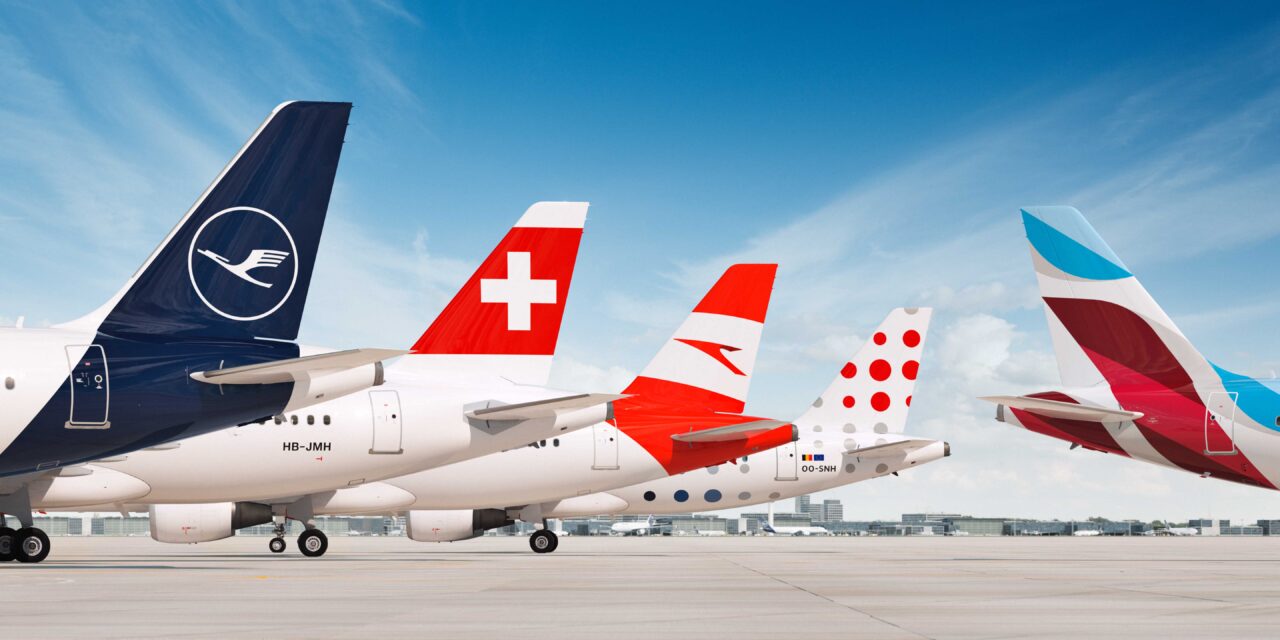
The Lufthansa Group is entering a new era of operational uniformity and technological modernization.
The giant aviation group has launched a comprehensive plan to harmonize its long-haul fleet by 2028, marking one of the most extensive fleet renewal initiatives in Europe.
This long-term strategy aims to reduce complexity, optimize maintenance and operating costs, and enhance environmental performance by phasing out older aircraft types and introducing new-generation, fuel-efficient models.
Gradual Retirements Until 2028
The fleet harmonization process has already begun and includes the gradual phase-out of the following aircraft across the Group’s airlines:
- Airbus A330-200 (phase-out 2026): 3 Discover Airlines, 5 ITA Airways
- Airbus A340-300 (phase-out 2027): 16 Lufthansa, 5 Edelweiss Air, 4 Swiss
- Airbus A340-600 (phase-out 2026): 6 Lufthansa
- Boeing 747-400 (phase-out 2027): 8 Lufthansa
- Boeing 767-300ER (phase-out 2026): 3 Austrian Airlines
- Boeing 777-200ER (phase-out 2028): Austrian Airlines
The withdrawal of four-engine types such as the A340 and B747-400 marks the end of an era for Lufthansa, as the Group pivots towards sustainability, energy efficiency, and CO₂ reduction in line with its long-term environmental goals.
The Future Long-Haul Fleet
By 2028, the Group’s long-haul fleet will consist of:
- Airbus A330-300: Brussels Airlines, Discover Airlines, Swiss
- Airbus A330-900: ITA Airways
- Airbus A350-900: Brussels Airlines, Discover Airlines, Edelweiss Air, ITA Airways, Lufthansa, Swiss
- Airbus A350-1000: Lufthansa (Munich base)
- Airbus A380: Lufthansa (Munich base)
- Boeing 747-8: Lufthansa (Frankfurt base)
- Boeing 777-300ER: Swiss
- Boeing 777-9: Lufthansa (Frankfurt base)
- Boeing 787-9: Austrian Airlines, Brussels Airlines, Lufthansa (Frankfurt base)
The focus on next-generation types such as the A350 and B787 reflects the Group’s commitment to a more efficient, modern, and sustainable operational model, enabling greater flexibility in aircraft deployment across subsidiaries and hubs.
Operational and Environmental Perspective
Fleet harmonization is not merely a technical transition, it represents a strategic reorganization that simplifies maintenance, reduces training costs, and strengthens the Group’s product consistency across its airlines.
Furthermore, new aircraft types, particularly the A350 and B787, deliver 25–30% lower fuel consumption, significantly reducing the Group’s environmental footprint while enhancing the passenger experience.
Through this transition, Lufthansa Group reinforces its position as a leader in sustainable European aviation, combining technological innovation with operational efficiency.
Analysis by Dimitris Zopounidis