
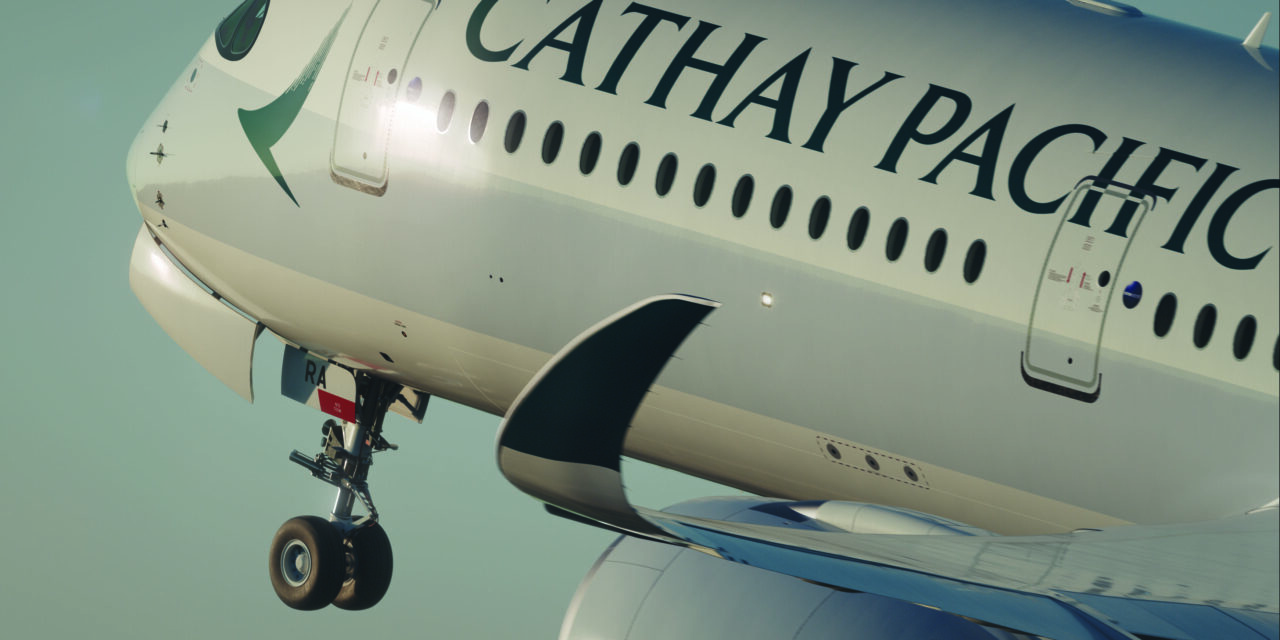
Cathay Pacific’s decision to trim part of its schedule between mid-May and the end of June 2026 is one of the clearest signs yet that the current fuel environment is beginning to shape airline network planning in a direct and measurable way. According to Reuters, the Hong Kong-based carrier will cancel around 2% of its scheduled passenger flights from May 16 to June 30, while HK Express, its low-cost subsidiary, will reduce about 6% of its passenger schedule from May 11.
At the same time, the suspension of passenger services to Dubai and Riyadh will remain in force until June 30.
From an aviation economics perspective, this is not a marginal development. Airlines usually seek to absorb temporary cost shocks through pricing, yield management, aircraft deployment, and hedging strategies before moving to visible network cuts. When a major airline group begins to reduce scheduled capacity, it typically reflects a deeper concern about cost sustainability and operational efficiency over the short term. In this case, the main trigger is the sharp increase in jet fuel costs linked to the ongoing conflict in the Middle East, a region that remains strategically important both for energy markets and for global air transport flows.
The significance of the announcement goes beyond Cathay Pacific itself. It illustrates how geopolitical instability can rapidly transmit pressure into the airline industry through the fuel channel rather than only through airspace restrictions or direct route disruptions. Reuters notes that industry officials expect jet fuel supplies to remain tight and expensive for months, even if conditions around the Strait of Hormuz improve. That assessment matters, because it suggests that airlines may continue facing elevated operating costs well beyond the immediate shock.
What makes the case even more interesting is that the cuts come shortly after Cathay management had reiterated a growth-oriented outlook for 2026. Reuters reported that Chief Executive Ronald Lam had recently stated that the airline still intended to expand passenger capacity by 10% this year, supported by strong long-haul demand to North America, Europe, and Australia after the Iran war disrupted traffic patterns through the Middle East. The latest schedule adjustment therefore should not necessarily be read as a strategic reversal, but rather as a tactical response to a highly volatile cost environment.
For the wider industry, the message is straightforward. In 2026, airline growth is not determined only by demand. It is increasingly constrained by external variables such as fuel price volatility, geopolitical exposure, and supply-side fragility. Cathay Pacific’s move is a reminder that even carriers with strong demand fundamentals may be forced to recalibrate their operations when the economics of flying change abruptly. Reuters also reports that, beyond June, Cathay Pacific and HK Express currently plan to operate all scheduled passenger services, which indicates that the group still sees this as a temporary but serious market distortion rather than a long-term structural retreat.


