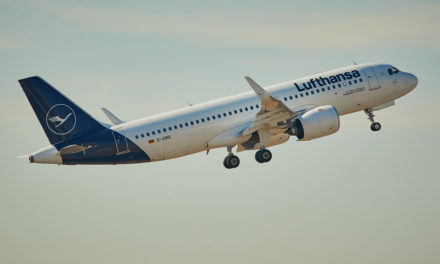
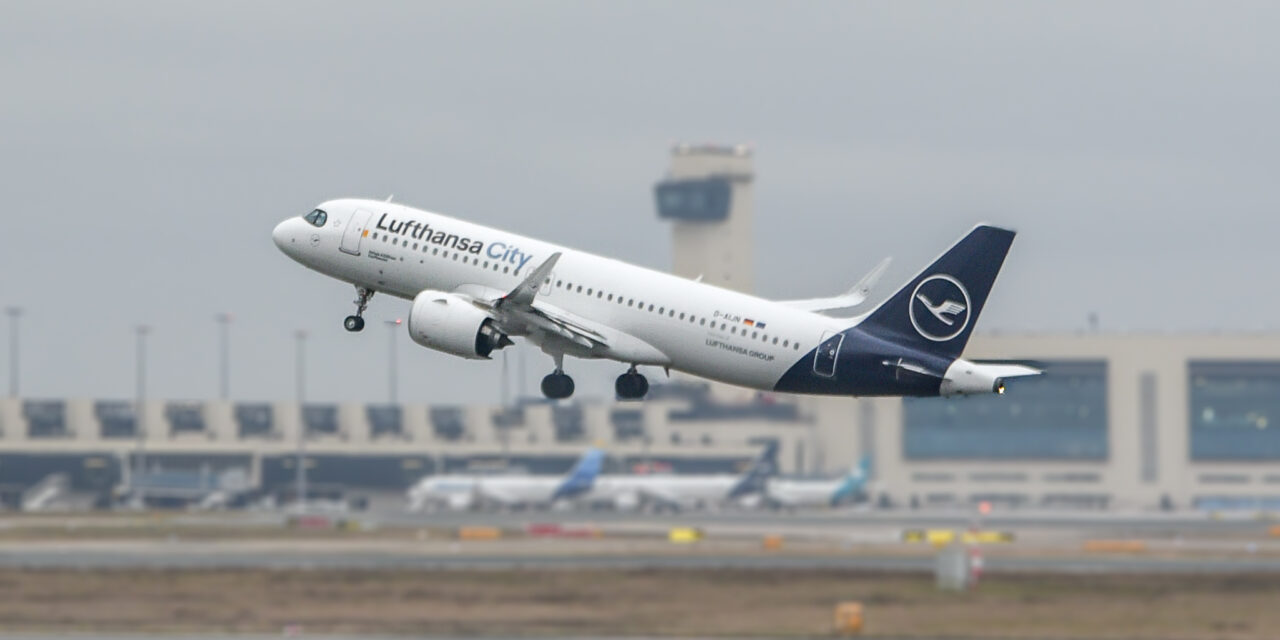
The decision by Lufthansa to withdraw aircraft from its CityLine subsidiary reflects a broader structural adjustment taking place across the European aviation market.
At its core, this move is not an isolated operational change, but rather a response to a tightening cost environment—primarily driven by elevated fuel prices and increasing labor expenses. Regional operations, traditionally characterized by thinner margins and higher cost sensitivity, are often the first to be restructured under such conditions.
CityLine has historically played a key role in feeding Lufthansa’s hub network. However, the economics of regional aviation have shifted. Smaller aircraft, shorter routes, and lower load factors create a cost base that is increasingly difficult to sustain, particularly when fuel volatility remains high and cost recovery through pricing is constrained.
From a network perspective, this development signals a gradual recalibration:
- Capacity is likely to be consolidated toward more efficient aircraft types and higher-demand routes
- Feeder traffic models may be re-optimized, potentially relying more on partnerships or alternative subsidiaries
- Operational flexibility becomes critical, especially ahead of peak travel periods
More importantly, this move aligns with a wider industry pattern. European carriers are reassessing the viability of legacy regional structures, especially in an environment where cost discipline and fleet efficiency have become central strategic priorities.
In data terms, the implication is straightforward:
when input costs rise faster than revenue potential in specific network segments, capacity is reallocated rather than expanded.
Lufthansa’s adjustment is therefore less about contraction and more about rebalancing its operating model, a trend that is likely to continue across the sector as airlines navigate an increasingly complex cost landscape.