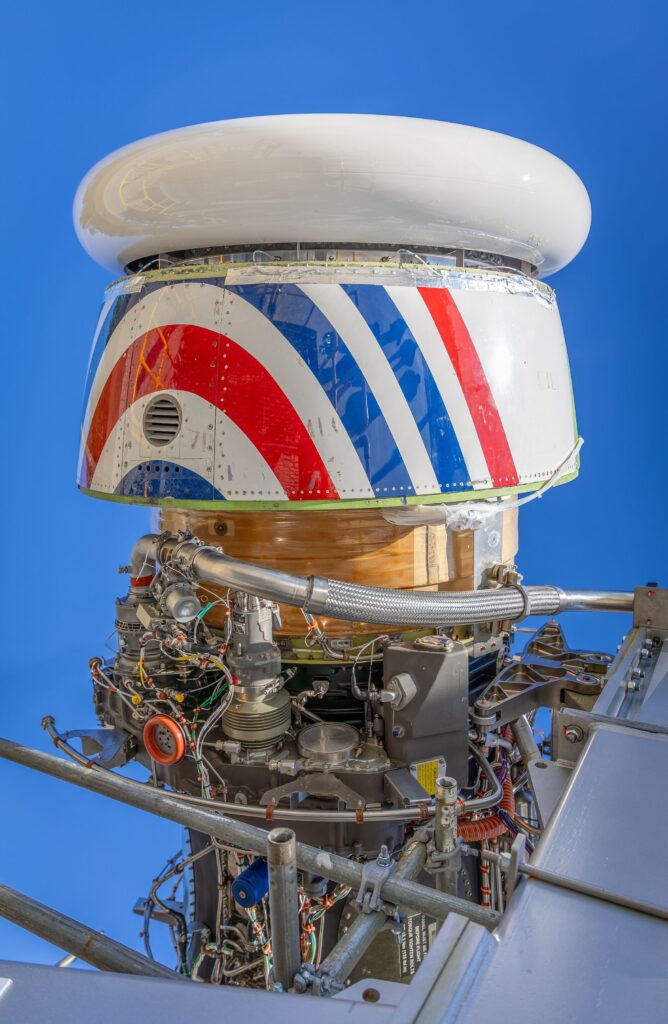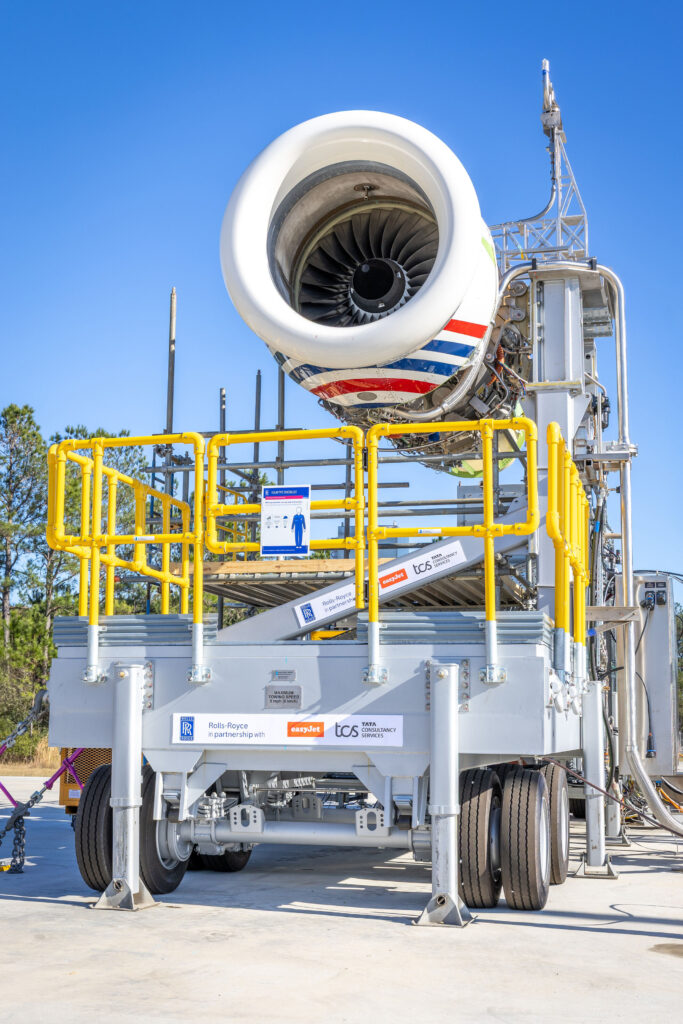
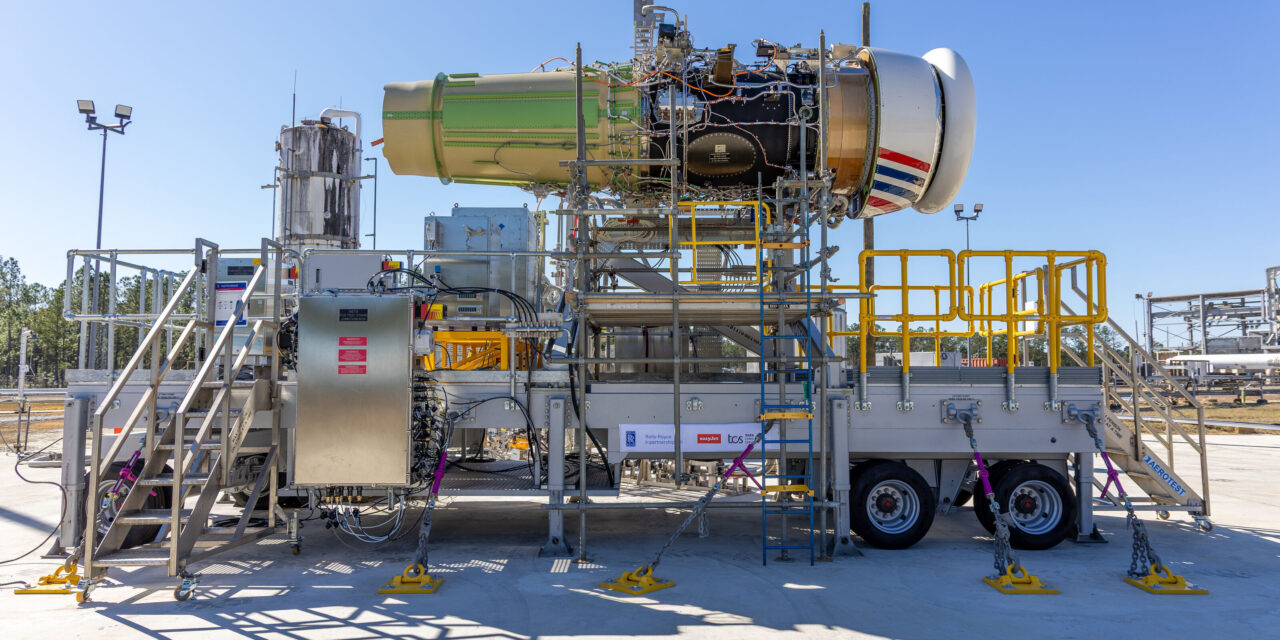
Rolls-Royce and easyJet have completed ground testing of a modified Pearl 15 engine using 100% hydrogen fuel at full take-off power, at NASA’s Stennis Space Center in Mississippi.
The engine was tested across a simulated flight cycle, including start-up, take-off, cruise and landing.
For aviation, this is an important technological milestone. It shows that hydrogen combustion in a modern aero gas turbine can be technically feasible under controlled ground-test conditions. However, it does not mean that hydrogen-powered commercial aircraft are close to entering service.
The main challenge is no longer only the engine. The wider system remains unresolved: aircraft design, hydrogen storage, airport refuelling infrastructure, safety standards, certification, and commercial scalability. Hydrogen requires a completely different operational ecosystem compared with conventional jet fuel.
From an industry perspective, the test confirms that decarbonisation in aviation will not rely on one single pathway. New-generation aircraft, sustainable aviation fuels, operational efficiency, fleet renewal and hydrogen technologies will likely evolve in parallel.
For airlines such as easyJet, hydrogen remains a long-term strategic option rather than an immediate operational solution. The real value of this test lies in the data generated: combustion behaviour, fuel-system performance, control-system response and integration limits.
Editor’s Note:
Hydrogen aviation is moving from concept to experimental validation. The question now is not whether hydrogen can power an engine, but whether the aviation system can absorb the infrastructure, cost and certification complexity required to make it commercially viable.