
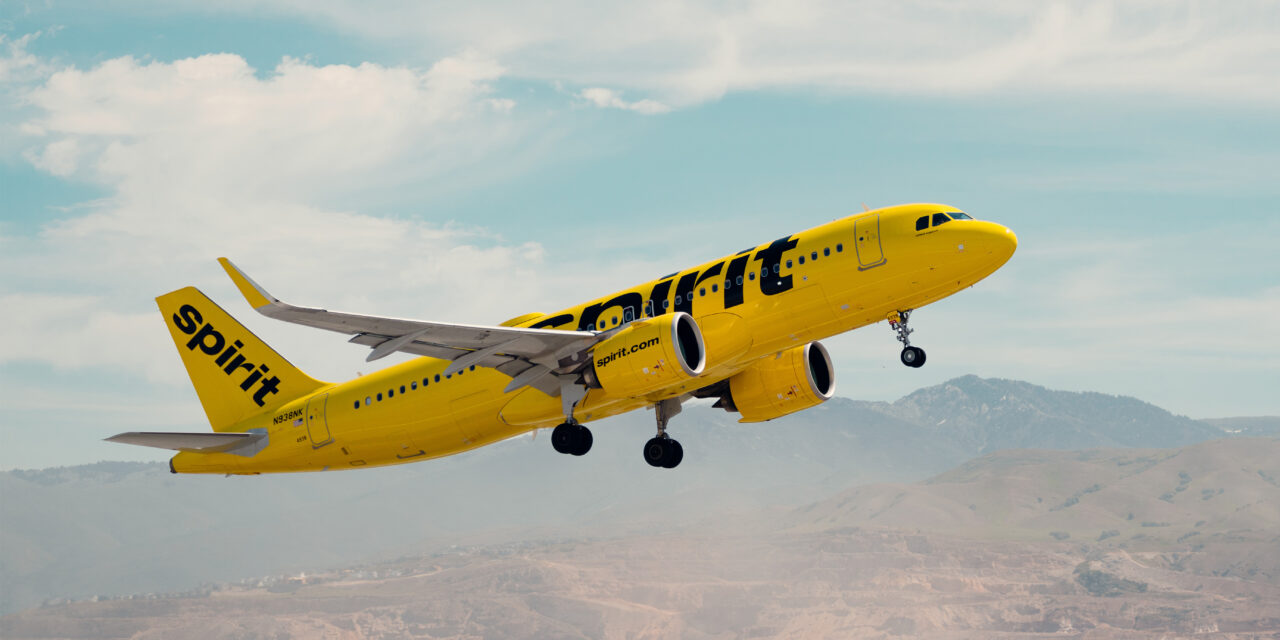
The reported shutdown of Spirit Airlines is not only a corporate failure. It is a structural signal for the airline industry.
Spirit, one of the most recognizable ultra-low-cost carriers in the United States, is reportedly preparing to cease operations after rescue talks failed, following repeated financial distress and bankruptcy proceedings. Reuters reported that the airline was expected to stop operations around 3 a.m. on Saturday, after a board meeting ended without an agreement on a rescue plan.
The case highlights the vulnerability of airline business models that depend heavily on low fares, high aircraft utilization, ancillary revenues, and strict cost discipline. When fuel prices, financing costs, debt pressure, and demand volatility move against the carrier at the same time, the margin for adjustment becomes extremely limited.
Spirit’s position had already weakened after previous bankruptcy procedures and failed consolidation attempts. According to AP reporting, the carrier had lost more than $2.5 billion since 2020 and had reported $8.1 billion in debt in its August 2025 bankruptcy filing.
From an industry perspective, the possible exit of Spirit raises three important issues.
First, it may reduce price competition in several U.S. markets, especially for leisure and budget-sensitive passengers. Ultra-low-cost carriers often act as fare discipliners, forcing legacy carriers to respond with lower entry-level fares.
Second, it confirms that scale alone is not enough. In aviation, liquidity, network flexibility, fuel exposure, aircraft costs, and access to capital are decisive.
Third, it shows that the post-pandemic aviation recovery remains uneven. Demand may be strong in several markets, but not all carriers are equally positioned to absorb external shocks.
The Spirit case should therefore be read less as an isolated bankruptcy story and more as a warning about the limits of the ultra-low-cost model under conditions of financial stress, high input costs, and limited strategic flexibility.
For passengers, the short-term concern is disruption. For the industry, the deeper question is whether the next phase of aviation will favor consolidation, stronger balance sheets, and more resilient hybrid operating models.


