The strategic evolution of the long-haul fleet of Air France continues, as the airline moves forward with the gradual retirement of its Airbus A330 aircraft.
This decision reflects a broader restructuring of fleet composition, aligned with efficiency targets, sustainability commitments, and changing demand patterns in intercontinental air transport.
Air France has historically utilized the A330-200 variant across medium- to long-haul routes, particularly in markets where capacity requirements did not justify the deployment of larger aircraft. However, the aircraft type is now approaching the final phase of its operational lifecycle within the airline’s network, as newer-generation aircraft progressively assume its role.
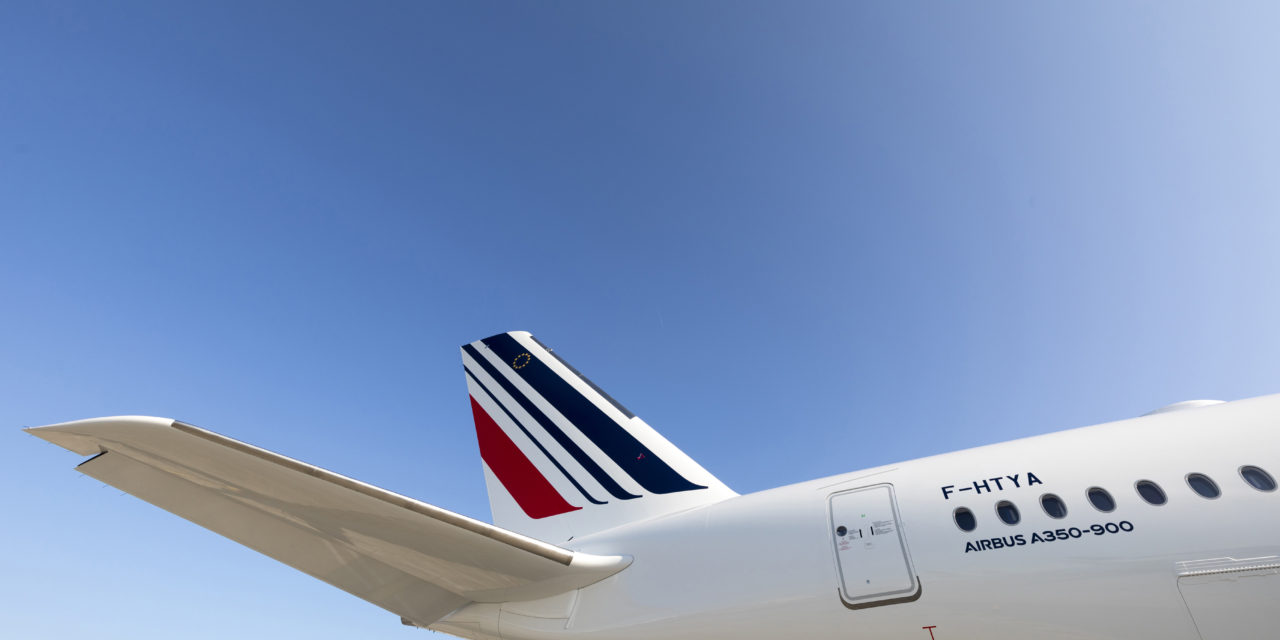
At the core of this transition lies the increasing integration of the Airbus A350 and the Boeing 787 Dreamliner into the fleet. These aircraft offer substantial improvements in fuel efficiency, operational range, and maintenance economics. From a cost perspective, next-generation wide-body aircraft enable airlines to achieve lower unit costs per available seat kilometer (CASK), while simultaneously enhancing passenger experience through upgraded cabin configurations and onboard technology.
The retirement of the A330 fleet should not be interpreted as a simple replacement cycle, but rather as part of a wider transformation strategy. Air France is actively redefining its long-haul network, placing emphasis on optimized capacity allocation, environmental performance, and competitive positioning within a rapidly evolving global aviation landscape.
From an environmental standpoint, the shift toward aircraft such as the A350 contributes to a measurable reduction in CO₂ emissions per passenger. This is particularly relevant in the context of increasing regulatory pressure and industry-wide commitments toward decarbonization. Fleet harmonization further supports operational efficiency, reducing complexity in maintenance, crew training, and spare parts logistics.
It is also important to note that the timing of such retirements is closely linked to post-pandemic recovery dynamics. Demand volatility, combined with the need for flexible capacity management, has accelerated decisions related to fleet renewal across many full-service carriers.
In conclusion, the phase-out of the A330 at Air France represents a structurally significant move rather than an isolated operational adjustment. It highlights the airline’s commitment to maintaining a competitive, efficient, and environmentally aligned fleet, reinforcing its long-term strategic positioning within the European and global aviation market.