The Abu Dhabi carrier is turning sleep, skincare and nutrition into another front in the increasingly expensive battle for premium passengers.
For years, airlines competing for the world’s most lucrative passengers followed a relatively straightforward formula: make the seat wider, the bed longer, the lounge grander and the Champagne more expensive.
Etihad Airways is betting that the next upgrade may be less visible.
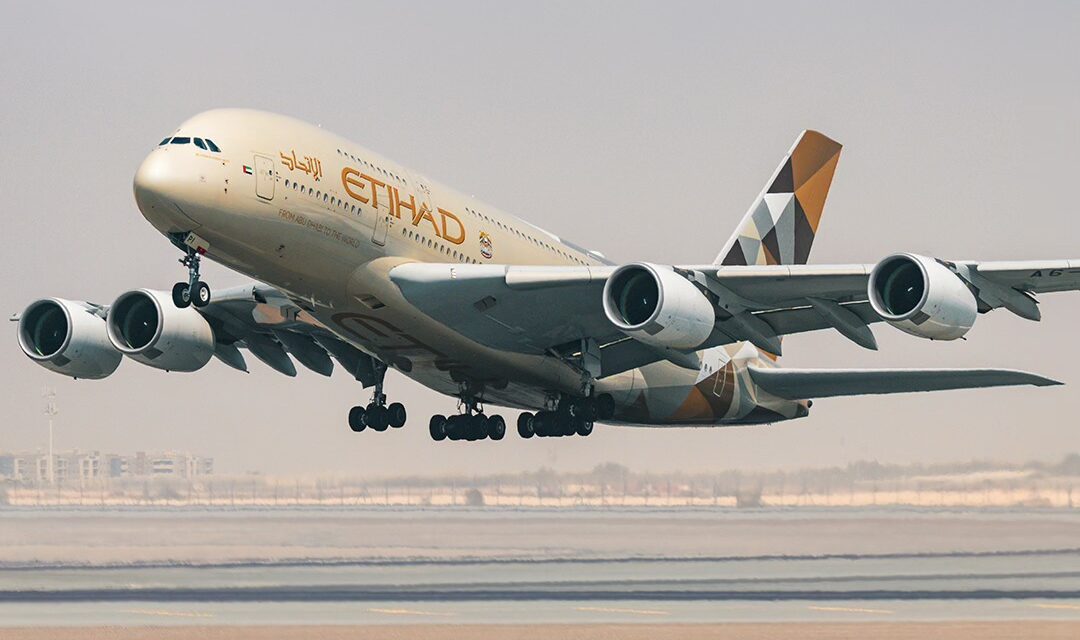
The Abu Dhabi carrier is bringing a collection of sleep, nutrition, hydration and skincare initiatives under a new Etihad Wellbeing proposition, part of a broader effort to redefine what passengers should expect from premium air travel.
The underlying idea is simple. On a long-haul flight, luxury isn’t only about what passengers receive while they are onboard. It is also about the condition in which they arrive.
That distinction matters as competition among Gulf carriers intensifies and airlines search for new ways to differentiate increasingly sophisticated premium cabins.
From Lie-Flat Beds to LANEIGE
Among the most visible additions is Etihad’s partnership with Korean skincare brand LANEIGE for its Business Class amenity kits.
Etihad says it is the first airline to collaborate with the brand and currently the only carrier offering LANEIGE products onboard.
Its new Destination Collection kits include the LANEIGE Water Sleeping Mask, Lip Sleeping Mask and Hand Cream, products aimed squarely at one of the less glamorous realities of flying: spending hours in the dry environment of an aircraft cabin.
It is a small detail, but one that illustrates where premium aviation is heading.
Airlines have spent billions of dollars improving the physical infrastructure of premium travel. Fully flat beds are now expected on many long-haul Business Class products. Privacy doors are becoming increasingly common. Large 4K screens, wireless charging and direct aisle access are gradually moving from differentiators to expectations.
That leaves airlines searching for the next layer of differentiation.
Etihad thinks wellbeing can be part of it.
The carrier has also turned the amenity bag itself into a branding exercise. Its Destination Collection comprises 14 designs inspired by seven destinations, Abu Dhabi, Krabi, Mumbai, Lisbon, Addis Ababa, Calgary and Atlanta with the name and geographic coordinates of each city incorporated into the design.
The objective is to make something traditionally discarded after a flight into a collectible extension of the airline’s brand.
First Class Goes Further
At the top of the aircraft, the proposition becomes more elaborate.
Etihad’s First Class passengers have access to ESPA skincare products, facial sheet masks and under-eye masks. In First and The Residence, the airline combines those amenities with natural cotton bedding, premium sleepwear and memory-foam mattresses.
There is an important commercial logic behind all of this.
A passenger paying thousands of dollars for a premium long-haul ticket is not simply purchasing transportation between two airports. Airlines are increasingly selling the promise of reducing the physical cost of travelling between them.
Sleep becomes part of the product.
So does hydration.
So does the cabin environment.
The Value of Silence
One of Etihad’s least expensive changes may prove to be one of its most noticeable.
The airline’s Quiet Cabin approach reduces non-essential announcements, limiting interruptions for passengers attempting to work or sleep.
Etihad is also incorporating meditation, stretching and sleep-related content into its inflight entertainment offering, while lighting programmes on selected aircraft are designed to support rest and help passengers adjust during long journeys.
None of these features has the visual impact of a new First Class suite.
Together, however, they address one of the fundamental problems that premium aviation has never entirely solved: even an exceptionally luxurious 12-hour flight is still a 12-hour flight.
The industry’s next challenge is therefore not simply making those hours more comfortable. It is making them less physically disruptive.
Rethinking the Airline Meal
That philosophy extends to the tray table.
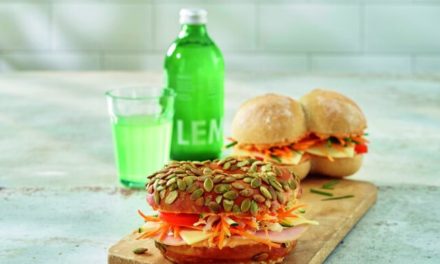
Etihad is increasing its emphasis on protein-rich and plant-forward dishes while offering meals designed around different dietary requirements, including gluten-free, lactose-free, low-fat and low-sodium options.
The carrier is also offering premium passengers drinks containing vitamins and electrolytes, alongside sugar-free and caffeine-free alternatives.
It marks a subtle change in the language of airline catering.
For decades, premium airline food was marketed primarily around indulgence: fine dining at 35,000 feet, celebrity chefs, elaborate wine lists and multi-course meals.
The wellbeing proposition adds another question: what should passengers consume if they want to feel better after landing?
The two ideas are not mutually exclusive. But the distinction is increasingly relevant as airlines compete for frequent corporate travellers and affluent leisure passengers who may value sleep and recovery as much as another course of dinner.
The Journey Starts in Abu Dhabi
Etihad is extending the strategy beyond the aircraft.
At its home hub at Zayed International Airport, premium lounges include quiet areas, while the Be Relax by Etihad Spa offers massage, skincare and hair services.
The carrier is also introducing a signature scent across its lounges and aircraft.
That may sound like a minor branding exercise, but it reflects the increasingly sophisticated way airlines think about customer experience.
The seat is no longer the product.
The journey is.
From entering the lounge in Abu Dhabi to sleeping onboard and walking into the arrivals hall thousands of miles away, Etihad wants those individual interactions to feel like parts of the same premium ecosystem.
A New Front in the Gulf Airline Battle
Etihad’s wellbeing push comes as the Gulf remains one of the world’s most competitive markets for premium aviation.
The region’s largest carriers have spent years building global networks around connecting hubs and investing heavily in products capable of attracting passengers who could just as easily connect through Europe or Asia.
The result has been an arms race in the front of the aircraft.
Business Class seats became beds. Beds gained privacy doors. First Class seats became suites. Airport lounges became restaurants, spas and, in some cases, destinations in their own right.
There are limits, however, to how much differentiation can be created by adding another inch of screen or another door around a seat.
Wellbeing offers airlines another frontier.
It also comes with a challenge: unlike a new suite, its value is harder to photograph and harder to measure.
A skincare product can be branded. An amenity kit can be redesigned. But proving that passengers actually arrive more rested, less dehydrated or better prepared for their destination is a much more difficult proposition.
That is ultimately what makes Etihad’s strategy worth watching.
The airline is not abandoning traditional luxury. It is adding another definition of it.
For the next generation of premium passengers, the most valuable feature of a long-haul flight may not be what they can photograph before departure.
It may be how little of the journey they feel after arrival.