
Analysis by Dimitris Zopounidis,
PhD Candidate (Data Science, Business Analytics, Aviation Industry), DS Lab
Founder of Aviationlife.gr and of the Crete Aviation Observatory
Reports that LOT Polish Airlines is nearing the acquisition of Czech carrier Smartwings bring renewed attention to the consolidation trend in the European regional market. According to the Polish financial outlet Money.pl, LOT’s CEO, Michał Fijoł, was in Prague in late October 2025 to negotiate the terms of the deal, indicating that the discussion has moved beyond speculation into active talks.
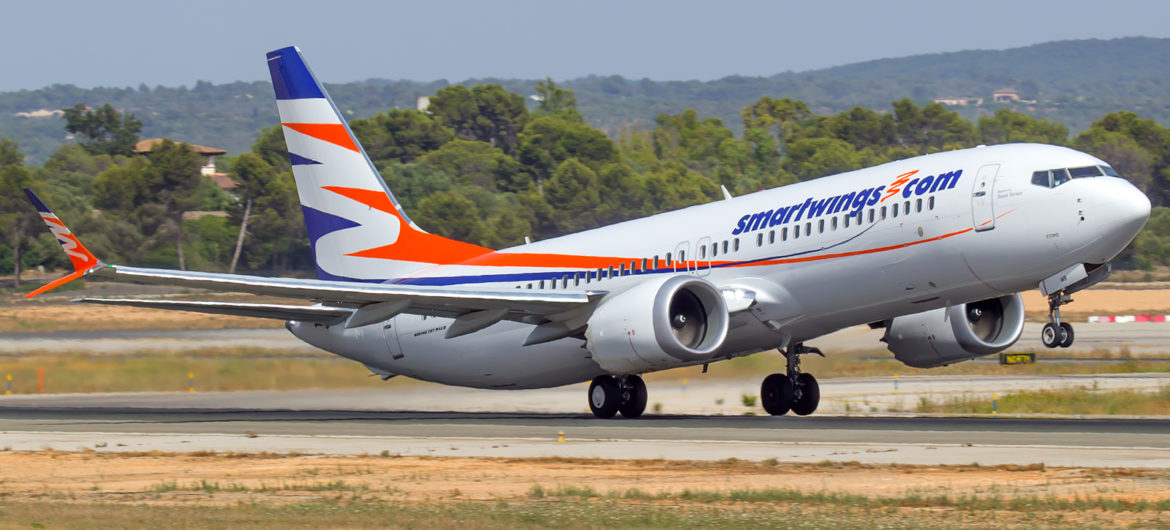
Smartwings is the largest airline in the Czech Republic, focusing primarily on leisure and charter operations. The carrier currently operates a fleet of 41 active aircraft, including Airbus A220s, A320s, and several Boeing 737 variants. It has maintained a long-standing presence in Southern Europe, particularly in Greece, serving numerous seasonal routes to island destinations. Although Smartwings had previously attracted interest from Israir, Eurowings, and SunExpress, integration into the LOT Group now appears to be a more realistic prospect.
LOT Polish Airlines, the national flag carrier of Poland, has in recent years pursued a deliberate strategy of regional expansion, seeking to reinforce its influence across Central Europe and position itself as a hub bridging East and West. As early as 2018–2019, LOT attempted to establish a secondary base in Budapest, even launching direct flights to the United States. The potential acquisition of Smartwings represents the next step in this regional strategy, combining two complementary business models: a network carrier with strong connectivity and a leisure-focused airline with a solid foothold in the tourism sector.
Data derived from the 2025 analysis of the Crete Aviation Observatory confirm Poland’s consistent and expanding footprint at Chania International Airport, highlighting the significance of Central European tourism flows for the island’s connectivity strategy.
If the merger proceeds, the combined network could generate significant synergies. LOT brings established infrastructure, alliances, and a robust transfer network via Warsaw, while Smartwings contributes expertise in leisure operations and partnerships with major Central European tour operators. Together, they could create a more coordinated charter network, unified pricing strategy, and enhanced connectivity options to key Mediterranean destinations such as Chania.
For Crete, this could translate into a more stable and diverse air service environment, particularly during the peak summer months. A stronger LOT–Smartwings entity would be capable of sustaining flight frequencies, attracting new passenger segments, and reinforcing Crete’s position as a strategic tourism hub within the broader Southeast European market.
At a wider level, this potential acquisition aligns with the structural transformations currently shaping European aviation. Consolidation has become a central strategy for airlines seeking to build resilience against geopolitical and economic volatility. Regional hubs and strategic alliances are now seen as critical mechanisms for growth, efficiency, and long-term competitiveness.
While the outcome of the negotiations remains uncertain, the LOT–Smartwings deal could emerge as a decisive factor for Central European passenger flows toward Crete, particularly benefiting Chania Airport as a key gateway for inbound tourism. In any case, the development deserves close attention: it reflects how evolving airline strategies and partnerships continue to redefine regional connectivity, market dynamics, and the role of Greece within Europe’s aviation network.


